Freaky Friday

I’ve been saving a few things from my web surfing – mostly from Pinterest – and want to share. Let’s end the work week with a smile and remember to take ourselves a little less seriously! 

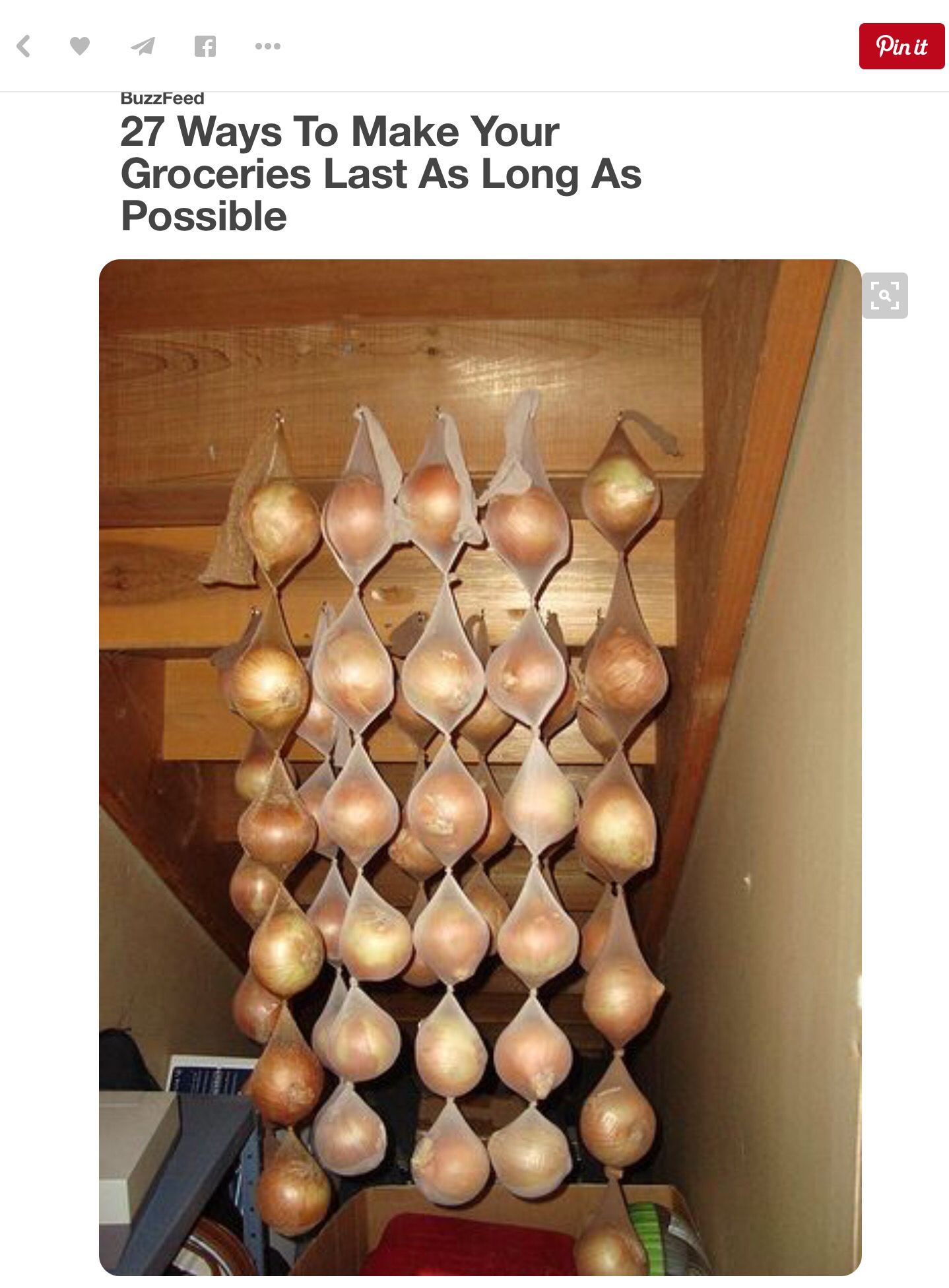
  Who among us has the time – or desire – to hang their onions inside their panty hose? Unless you own a NY System wiener  business, why would you need to keep so many onions fresh?

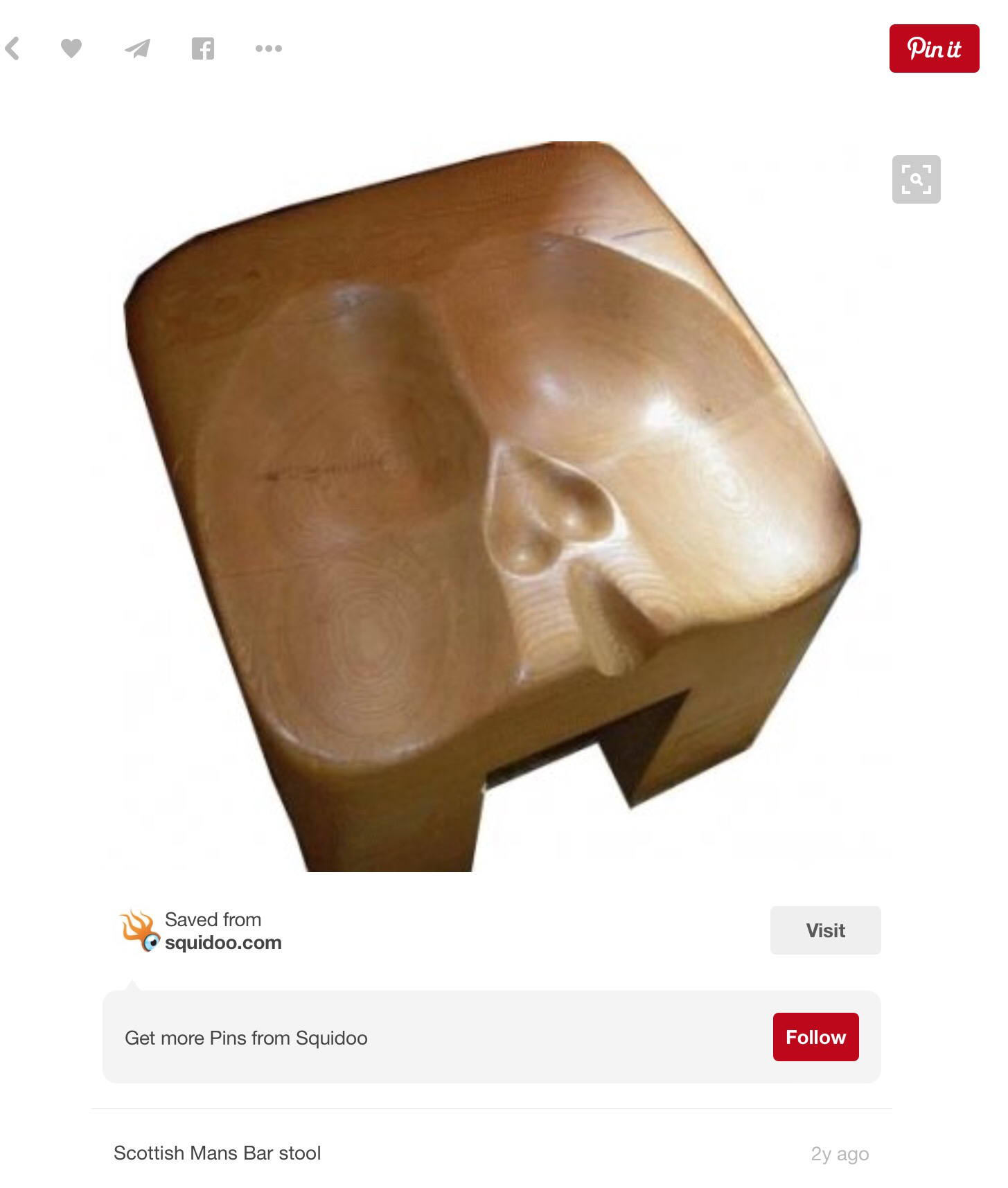
 I kind of like this one, but wouldn’t have installed it at the office, as suggested! If sitting for long periods makes your ankles prone to swelling or your knees stiffen, this might be for you! Seriously – Who thinks this stuff up?


  For the man who has everything – And wears a kilt! Ha!!


Fashion’s answer to the Selfie Stick! Of course, you’ll need to be a Rockette to hold your foot high enough. I’d just have a lot of pictures of my thighs and, well, that’s depressing.


Further proof that you just can’t make this shit up.


HAVE A GREAT WEEKEND, EVERYBODY! And find a reason to smile! XO

Urge to Purge – but what about sentimentality?


My Lenten commitment to throw one item away and donate one, every day, is going well! I cannot honestly say that I have paced myself and made a daily effort. It’s just not in my nature. I’ve always been a ‘go big or go home’ kind of gal, more likely to purge an entire closet or room in a day. But, there is a large trash bag in the kitchen that’s almost full and an impressive pile by the basement door, awaiting a trip to Sal’s.

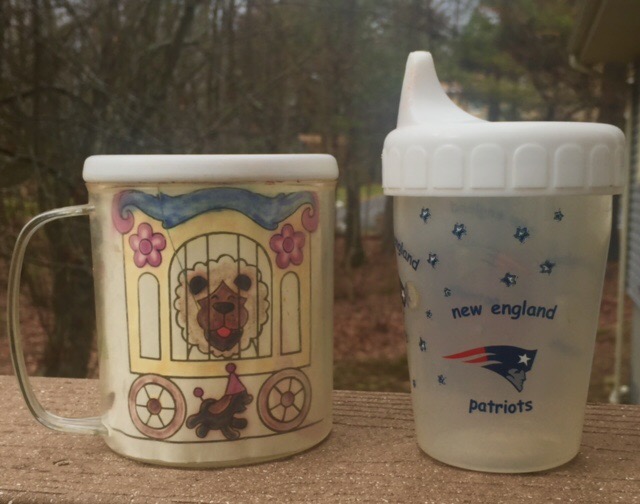
What I struggle with, however, is parting with objects that have sentimental value. For example, I still have a tee shirt from my alma mater that I purchased at the college bookstore, some 40 years ago. It’s too small to wear, so it sits in a plastic bin in the basement. While cleaning out a kitchen cabinet this week, I came across a mug that my son, now 28, made for me when he was 4 or 5. And my grandson’s favorite sippy cup. The list goes on….

  
My compulsion to collect sentimental items was compounded early last year, when my mother passed away unexpectedly and my dad sold their home. I was in charge of cleaning the place out – Quite a treasure trove of nostalgic artifacts from my childhood, not to mention precious memories of Mom. As hard as I tried to be practical, I felt bound by some unspoken rule to uphold her desire to keep certain things. My cup runneth over… And now, so does my basement!

But the experience caused me to look at my own sentimental collection in a new way. I saw my ‘stuff’ through the eyes of my children, in the event of my untimely demise. There is just no way that they would painstakingly sort thru everything – it just isn’t a reasonable expectation. Even if they did, the value of much of what I have squirreled would be lost on them.

So, I purge. Despite my best effort, genuine intentions and actual success, my stuff just doesn’t seem to diminish. At least, not enough to satisfy me. I must be doing something wrong! Some deep thinking has gone into this dilemma recently.

Here’s what I’ve learned:
1. Material things can hold powerful memories. But, the memories will remain, even after the item is discarded or given a chance to be reused somewhere else.
2. Sentimental items that are stored away in a basement or attic have little chance of bringing joy or stimulating warm fuzzy feelings: Out of sight / Out of mind.
3. A digital photograph of an object lasts longer than I will and takes up very little room. A scrapbook, for example, fits nicely on a shelf or coffee table and can hold the memories that previously filled several boxes. They can be labeled, so even the great grandkids will know why each item is special!

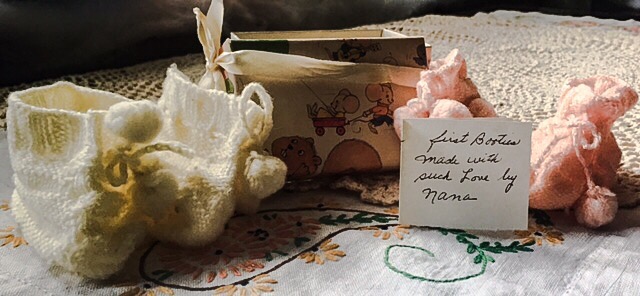
Some things, of course, are worth saving. I have two beautiful quilts that my friend, Gloria, made for me, using my mother’s favorite sweaters, blouses and sweatshirts. They provide comfort as well as warm memories. My own, very first pair of booties, lovingly handmade by my Nana, will not be going anywhere. I prefer to keep them close and imagine them on the tiny feet of a member of the next generation.

  
So, I am choosing to focus on the important items – the things I am keeping and all they have to offer. That should make letting go of the rest a little easier.
Can I do it? Time will tell…
  

What makes an oil Essential?


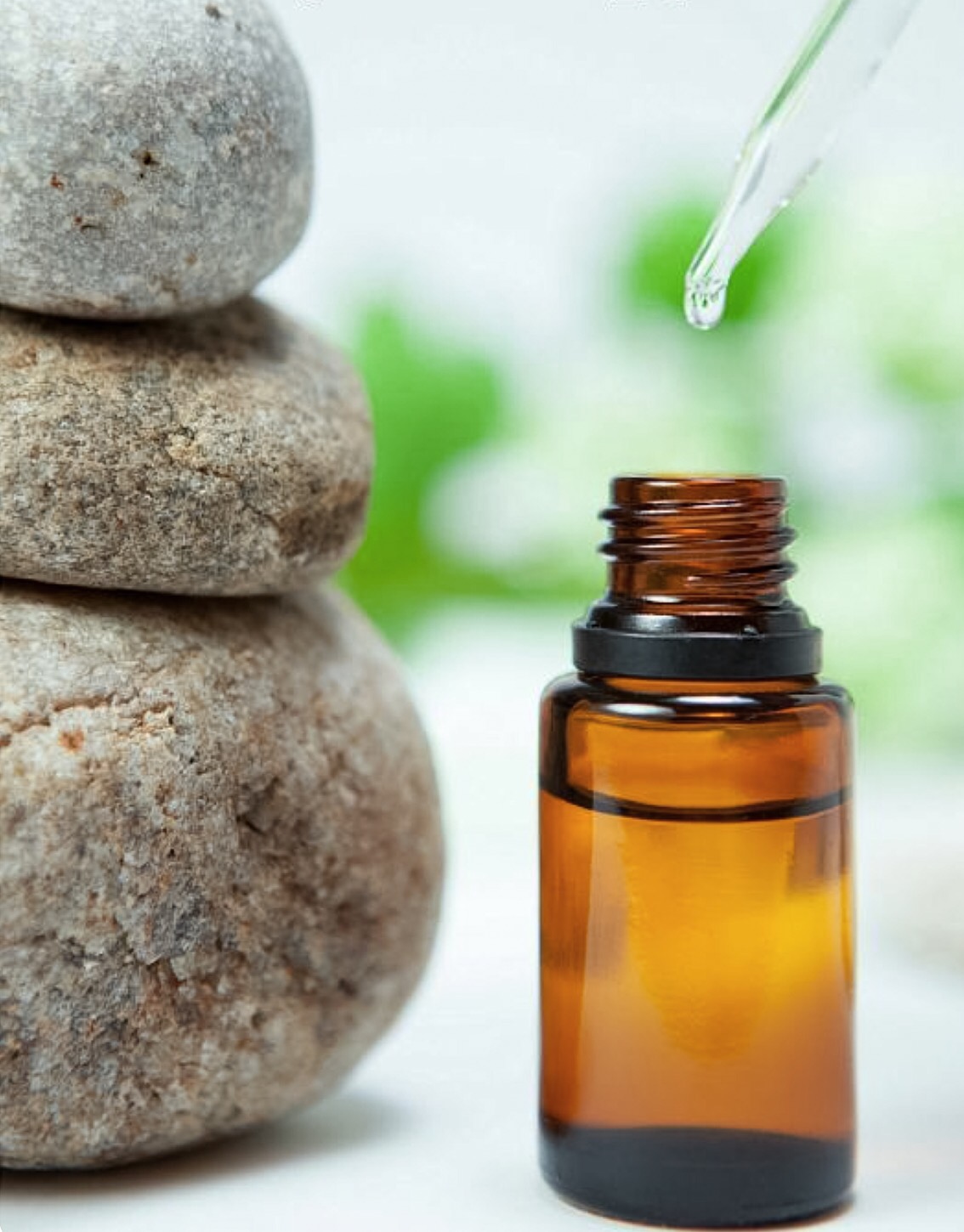
I’ve been reading a lot about essential oils recently and it can be pretty overwhelming. First, there are SO many different oils. Then, there are about a million ways to use each one. I have dabbled in essential oils (literally!) with some success. I keep lavender near my bed. While I cannot say definitively that it helps me sleep, I sure do love the scent. I’ve also tried eucalyptus for sinus issues and lemon for keeping the kitchen smelling fresh. But this is apparently the tiniest tip of the iceberg where essential oils (EOs) are concerned.
EOs are extracted directly from the root, bark, flower or fruit of the plant and distilled or steamed to separate the oil from any water. They are organic and very concentrated. They are believed to have healing and protective powers because that’s pretty much what they do for the plant – EOs shield the plant from insects and other predators. They also safeguard the plant from harsh environmental factors, like weather and seasonal changes, and help the plant adapt to surroundings that might be otherwise unsuitable.

Although EOs have been used for thousands of years by cultures across the globe, A French chemist is credited with using lavender oil to heal a burn in 1928. This led him to experiment with other healing properties of EOs, which were used to treat soldiers during World War 1. Aromatherapy was born, even though it did not gain popularity here in the US until as recently as 30 years ago. Initially, EOs were added to candles and lotions. These days, aromatherapy is a widely used practice among medical doctors, massage therapists and mental health professionals.

Aromatics
It is believed that EOs can be absorbed by blood vessels in the lungs when their scent is breathed in, causing their healing powers to circulate thru the body. The most common way to achieve this is to rub a couple of drops on pulse points, like the temples, or on the soles of the feet. Another popular method is to purchase a diffuser, which is a great way to deodorize your home at the same time.
Ingesting
This is bit more tricky and not recommended for everyone. Some EOs are said to affect hormones, for example, and are not recommended for pregnant women. But many can be added to drinking water, a few drops at a time. Some are suitable for teas. Still others can be mixed with honey to create a healthy elixir to treat various maladies.
Topically
EOs are often added to moisturizers, perfumes and other products. They can be used to make shampoo, lip balm and insect repellant. Because of their chemical lightness, they are absorbed by the body faster than other products. To get more for your EOs, mix them with a carrier, such as coconut oil. About 5 drops of EO to a half- teaspoon of carrier oil should do the trick. Rather than dilute the EO, this actually increases the skin area into which it can be absorbed.
So, which EOs provide what benefits? It’s a long list! Here are some of the most commonly used EOs and some of their reported advantages.
  Lavender: Promotes sleep. Heals skin irritations, including burns and insect stings. Helps with anxiety. Calming.
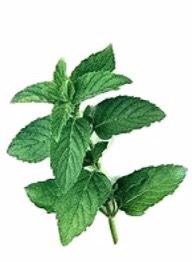
  Peppermint: Aids digestion, reduces cravings and suppresses appetite. Promotes mental sharpness/alertness. Treats joints and muscles. Clears sinuses and relieves respiratory conditions. Invigorating.
  Tea Tree: skin cleanser/blemish treatment. Treats ringworm. Household cleaner and disinfectant. (On a personal note, this is one scent that I just cannot warm up to. It reminds me of an old lady’s attic.) 

  Lemon: Degreases and cleans. Deodorizes and freshens. Added to a carrier oil, polishes wood and leather. Great in the kitchen after cooking fish or if you live with pets or a smoker. Revitalizing.

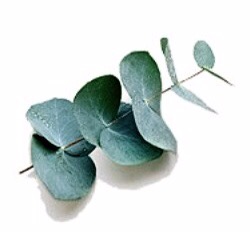
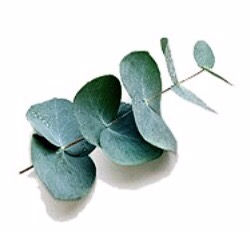
  Eucalyptus: Muscle and chest rubs to promote better breathing. Purifying.
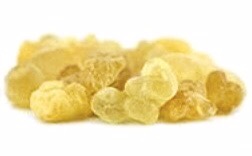
  Frankincense: Boosts immunity. Heals bruises. Fades age spots. Enhances spirituality and meditation. Unearthly.

Personally, I like to mix a few drops of EO – or a nice combination – in a spray bottle of water. There’s nothing like a little spritz to freshen up sheets, guest towels, throws and carpets!

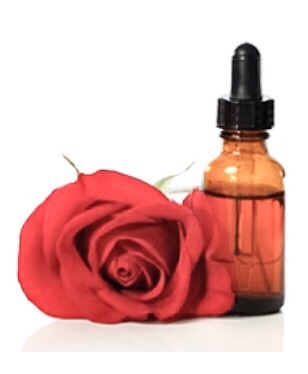
All EOs are not the same. Look for oils that all natural and certified to be pure, therapeutic or organic – Never synthetic. It might be more expensive, but the imposters are pretty useless and do not have the same properties. To make a half-ounce of rose oil, for example, it takes 65 pounds of rose petals!


What are Whole Grains?

  
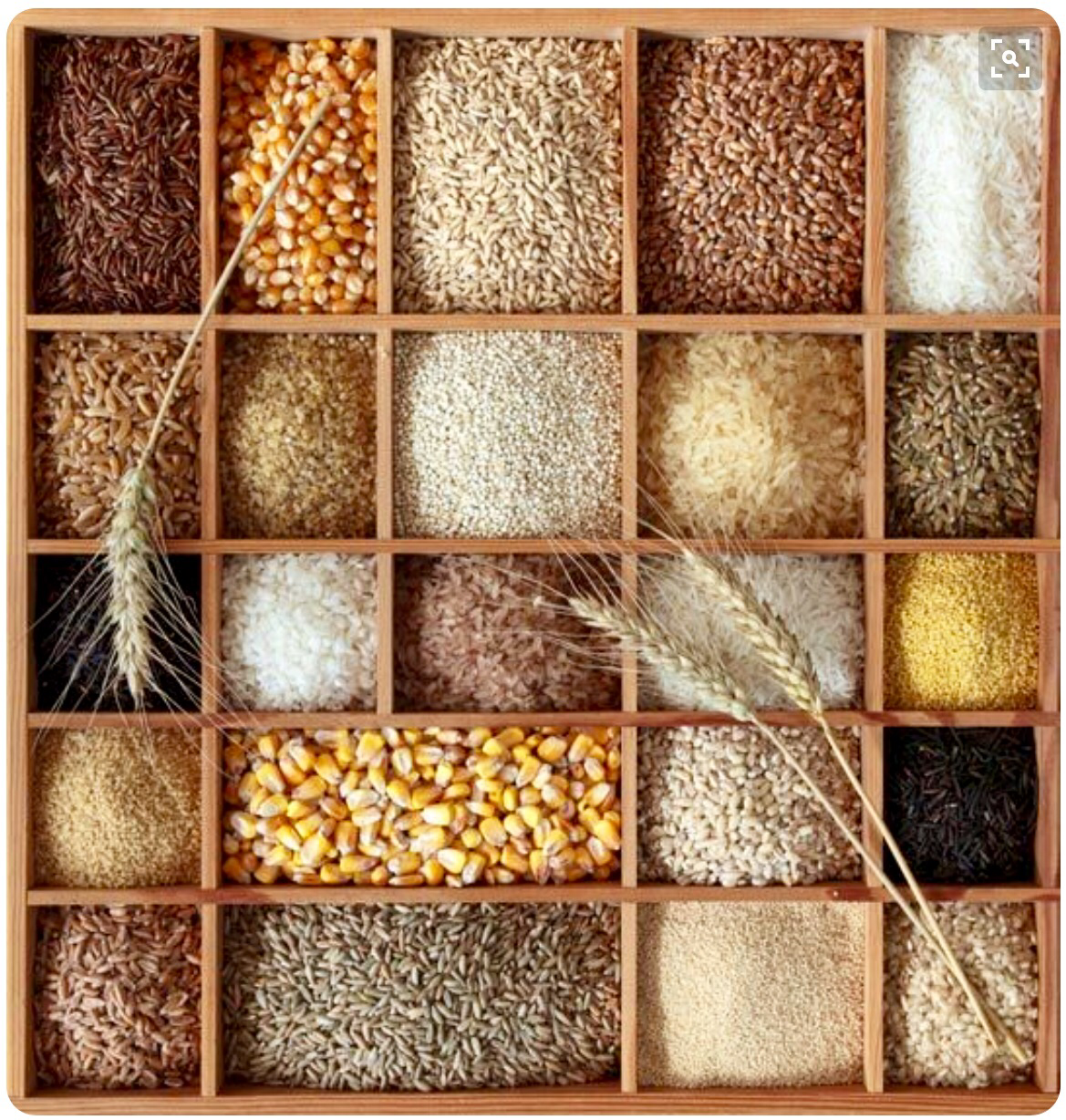
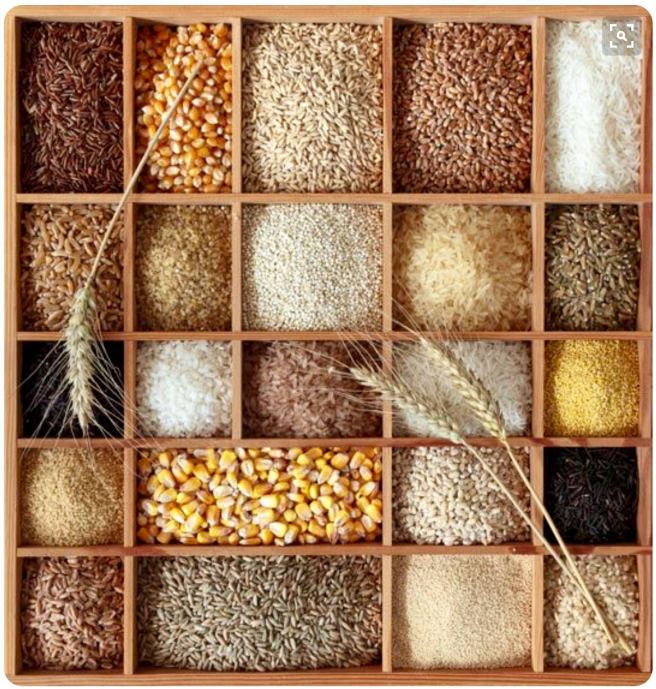
Whole grains – or foods made from them – contain the entire grain seed. If the grain has been processed (cracked, crushed, rolled or cooked), the product not provide the same benefits as nutrients that found in the original, natural grain seed. 100% of the original kernel (bran, germ and endosperm) must be present to qualify as a whole grain.

You can use whole grains SO many ways – In breads, muffins, cereal, salads, soups and even pizza crust! Here are some good reasons why we should:

Grains are important sources of dietary fiber, B vitamins (thiamin, riboflavin, niacin, and folate), and minerals (iron, magnesium, and selenium).

Dietary fiber from whole grains may help reduce blood cholesterol levels and may lower risk of heart disease, obesity, and type 2 diabetes. 

Fiber is important for proper bowel function, reducing constipation and diverticulosis.
Whole grains help provide a feeling of fullness with fewer calories, so it can be helpful for weight loss.

The B vitamins play an important role in metabolism, helping the body utilize protein, fat, and carbohydrates. They’re also essential for a healthy nervous system.

Folate (folic acid), another B vitamin, helps the body form red blood cells. Women of childbearing age who may become pregnant should consume adequate folate from foods, and in addition to synthetic folic acid from supplements. 

Iron is used to carry oxygen in the blood. Many teenage girls and women of childbearing age have anemia. 

Whole grains are sources of magnesium and selenium. Magnesium is a mineral used in building bones and protecting cells from oxidation. It’s also important for a healthy immune system. 

Tips for buying: Whole grains are easy to find on food labels. It should be listed first as one of the following:
brown rice        buckwheat        bulgur        millet        oatmeal        popcorn        quinoa   
rolled oats        whole-grain barley        whole-grain corn        whole-grain sorghum 
whole-grain triticale        whole oats        whole rye        wild rice
whole wheat (including varieties such as spelt, emmer, farro & wheatberries)   

Foods labeled with the words multi-grain, stone-ground, 100% wheat, cracked wheat, seven-grain or bran are usually NOT whole-grain products.

Dark color is not always an indication of a whole grain. Bread can be brown because of molasses, for example. Many, but not all, whole grain products are good or excellent sources of fiber. Look for higher percent Daily Values for fiber. 

 Look for added sugars, also known as sucrose, high-fructose corn syrup, honey, malt syrup, maple syrup, molasses, or raw sugar. These add calories! 

Most of the sodium we consume comes from packaged foods, including breads. Foods with less than 140 mg sodium per serving qualify as low sodium and can be labeled as such. 

For the more adventurous – A not so well known grain! Want to broaden your whole grain horizons? Amaranth – or amaranthus – are very tall plants with broad green leaves and bright purple, red, or gold flowers, commonly grown for their edible seeds. It isn’t a true cereal grain in the sense that oats and wheat are. It’s nutrient profile is similar to that of cereal and it has been utilized in traditional diets spanning thousands of years. Amaranth grain has a long history in Mexico and is a native crop in Peru. It was a major crop of the Aztecs, and some between 8,000 years ago. But, the Aztecs didn’t just grow and eat amaranth. It was also used in religious practices. Many ceremonies would include the creation of a deity’s image that had been made from a combination of amaranth and honey. These images were worshipped before being broken into pieces and distributed among the people, to eat.

Amaranth contains more than three times the average amount of calcium and is also high in iron, magnesium, phosphorus, and potassium. It’s also the only grain documented to contain Vitamin C. It’s also packed with protein – among the highest of vegetable origin and close to those of animal products. More recently, molecular biologists in Mexico were the first to report the presence of a lunasin-like peptide that was previously identified in soybeans. It is widely thought to have cancer-preventing benefits, as well as blocking inflammation in chronic illness such as diabetes, heart disease, and stroke. And, it’s good for your heart: Amaranth has potential as a cholesterol-lowing whole grain. Last, but not least, it’s gluten- free!

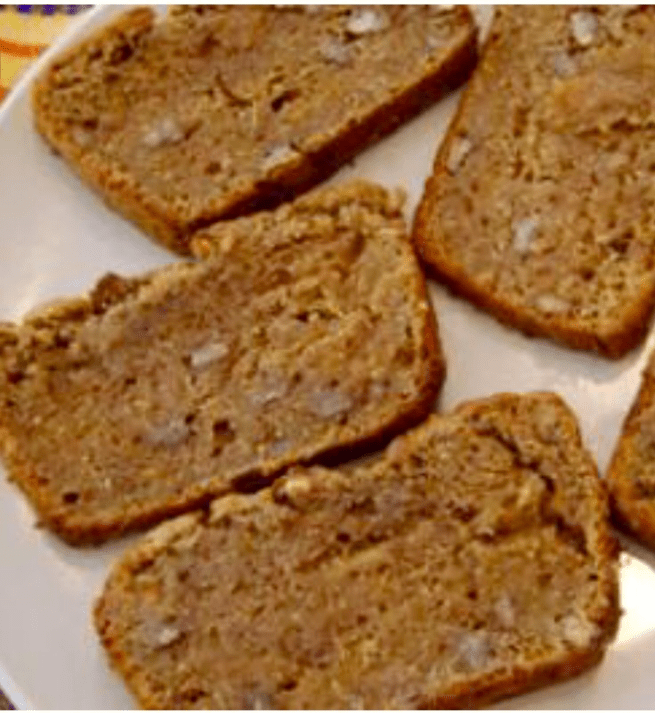
Cooking amaranth is easy peasy – Just boil water (at least 6 cups of water for every cup of amaranth) add grains, simmer, stirring occasionally for 15-20 minutes then drain and rinse. It stays crunchy on the outside but soft on the inside. Bob’s Red Mill and Arrowhead Mills both sell amaranth and can recommend some interesting recipes, like this one:

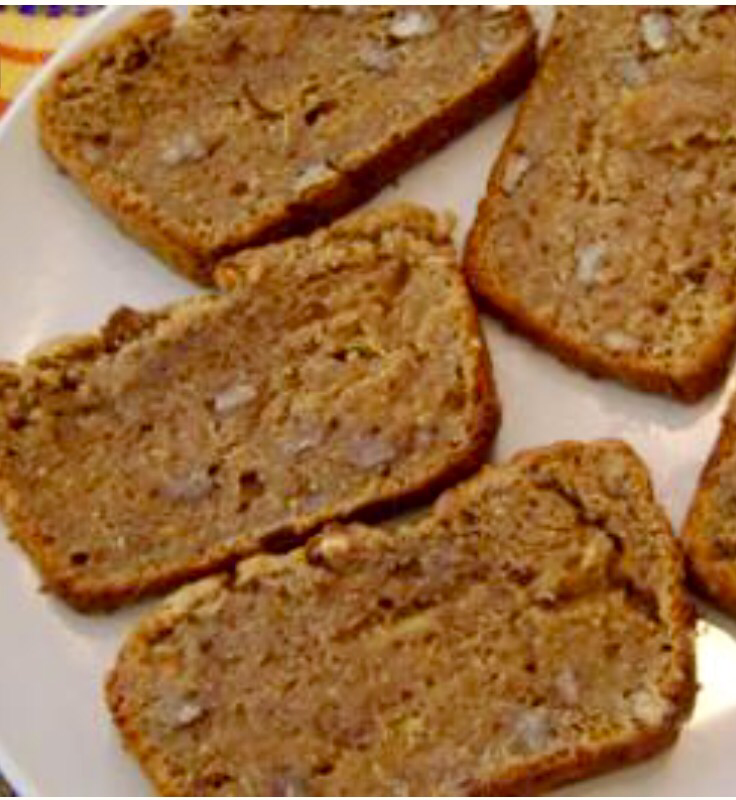
Amaranth Banana Walnut Bread


INGREDIENTS

1 cup cooked amaranth

2 cups whole wheat pastry flour

2 tsp. baking powder

1/2 cup chopped walnuts

1 cup mashed ripe bananas (about 3)

1/2 cup honey

2 eggs

3 Tbsp melted butter or olive oil

1 tsp. vanilla extract

INSTRUCTIONS

1. Preheat oven to 350°F. 
2. Lightly grease a 9-by-5-inch loaf pan.
3. In a bowl, combine flour, baking powder, and walnuts. Mix well. 
4. In a separate bowl, beat bananas, honey, eggs, butter, and vanilla until blended. Add amaranth and mix well. 
5. Pour mixture over dry ingredients and mix until just combined.
6. Pour mixture into prepared pan. Bake in preheated oven until a tester inserted into the center comes out clean, about 1 hour. 
7. Let cool in pan on wire rack for 10 minutes. Remove from pan and let cool completely on rack.
[Recipe courtesy of Judith Finlayson, from The Complete Whole Grains Cookbook.]
Nutrition facts per 1/16 loaf: Calories: 170, Total Fat: 6g, Sodium: 75mg, Total Carbs: 27g, Dietary Fiber: 3g, Protein: 4g

  

Full moon


Is the full moon powerful? Ask any emergency room nurse or mental health social worker and they’ll probably tell you stories about increased activity during the full phase of the moon. But does science support this?

The moon has been revered, worshiped and feared since the beginning of time. Imagine early humans watching the changes in the sky as the new moon gradually became full! What must they have thought during a moonless night or a harvest super moon?

Women, in particular, seem sensitive and connected to the moon. Perhaps it’s because the moon’s 28-day cycle mirrors their own. I’ve read other comparisons – some rather eloquent and rather beautiful. Like the moon, for example, we keep part of ourselves hidden. Then, on a rare occasion, we burst forth with brightness, shining for all to see. 

  
A full moon is often seen as a time for new beginnings or for cleansing. There are all sorts of spells and practices designed specifically for phases of the moon. Buddha said that there are three things that cannot remain hidden: The sun, the moon and the truth. Some people believe the full moon has magical powers. They place a crystal in a glass of water and leave it out under the full moon to collect mystical energies. The water is used in a variety of ceremonies, including spiritual cleansing. 

While I love all of the superstition and folklore, I tend to be a ‘just the facts, ma’am’ kind of girl, at heart. So, what about scientific studies? My brief research did not produce much. We’re all familiar with terms like lunatic and lunacy, derived centuries ago to describe strange behavior believed to be caused by the effects of the moon. But nowadays, we have more information, not to mention telescopes and astrophysics. We’ve put men on the moon’s surface! Yet, the allure of the moon remains a strong force in us. 

It has been shown that the moon affects our sleep patterns, probably because we produce less melatonin during a full moon. Back in the days of the caveman, this might have been an issue. Today, we just draw the shades against the brightly lit night sky.

I think the full moon is whatever we make of it. The idea of new beginnings or cleansing oneself of undesirable emotions is appealing. Who doesn’t want a fresh start? If you’ve ever spent time under a full moon, doing nothing but really looking at it, there is a certain magic. Why not use that feeling to bolster your convictions?

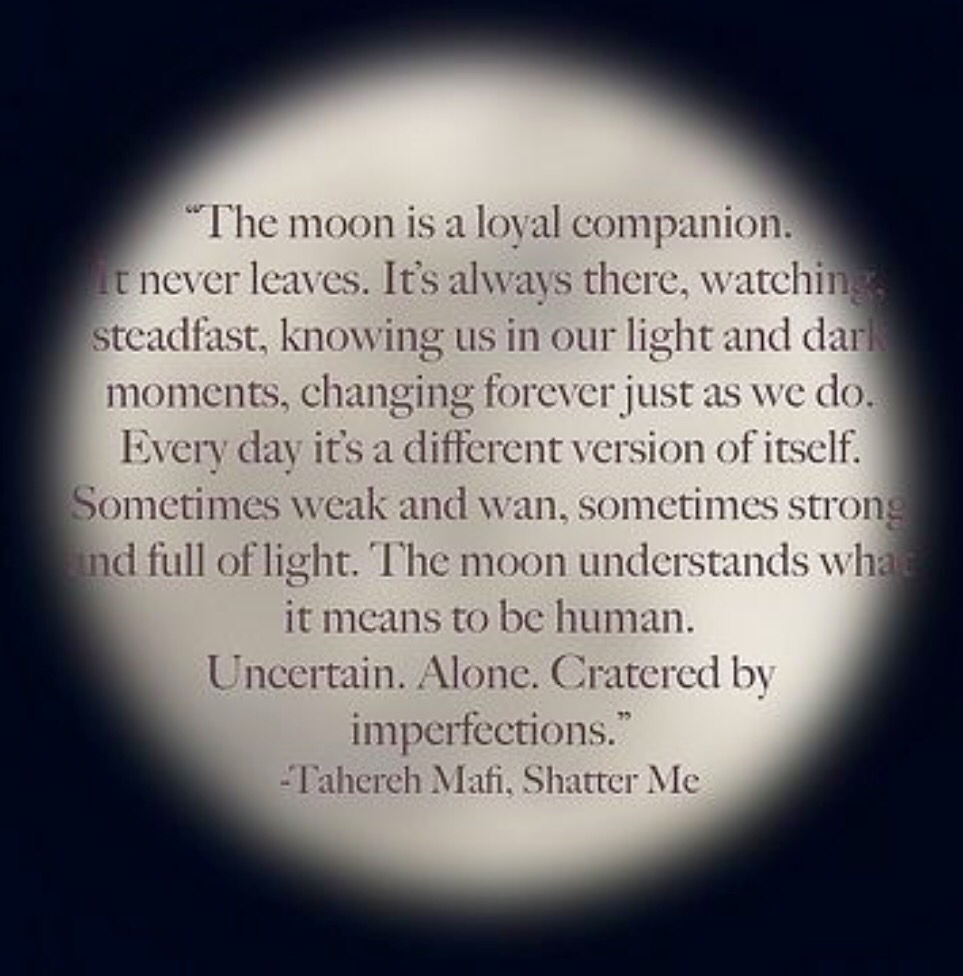
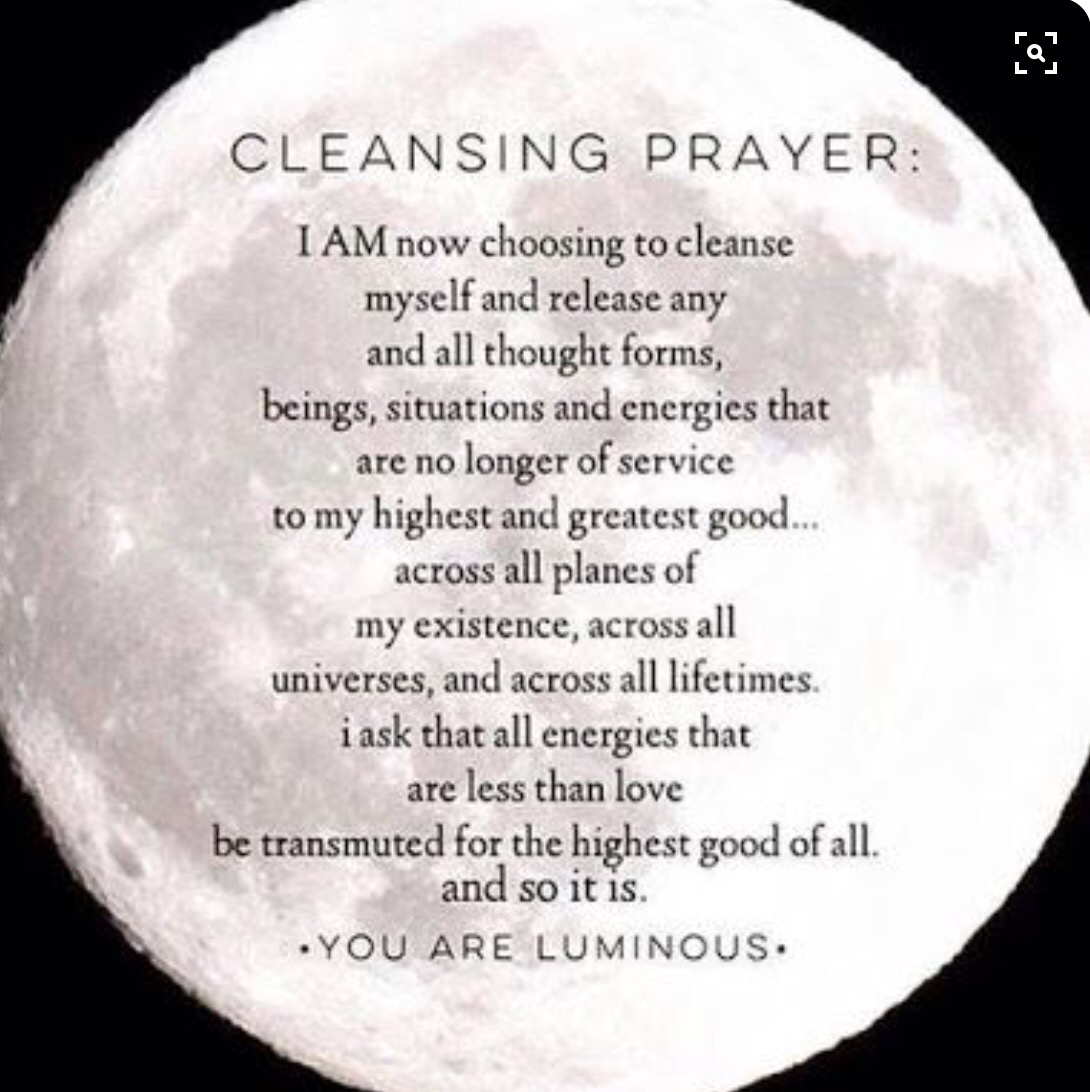
Here is a nice meditation to read under the full moon. Why not try it tonight?


Laughter: The Best Medicine


There is one, single expression that is truly universal. People from any country in the world understand it – Even some animals recognize it: Laughter. Not only is it good for your emotional outlook, but it’s benefits extend to the physical as well. 

When you share a good laugh with friends, endorphins are released in the brain. They travel through your body and stimulate muscles, nerves, tissue and organs. Laughter is a great way to relieve stress. But did you know that it also boosts your immune system and relieves chronic pain? 

Some science boasts that laughter helps with insomnia and increases memory function. I’ve even read that it is credited with improved blood flow and preventing heart attacks. And here’s a good one: Laughter makes a man more attractive to women. So much for the strong, silent type! While the helper in us might be attracted to a brooding male, I personally think that a guy who can laugh freely – especially at himself – exudes confidence. And that’s alluring!

I have my own theory and it has probably been studied by someone, somewhere. I think that you can improve your mental outlook with exposure to laughter, even if you aren’t in on the joke. For example: Google images of laughter. Scroll thru and look at the faces. Read the little sayings and quotes mixed in with the photos. Instant mood elevation! (You’re welcome!)

So, think about the last time you had a really good, long laugh. Has it been a while? I don’t mean a chuckle – We’re talking a belly laugh that takes your breath away and makes your sides ache. How long has it been? 

If you’re blessed with friends like mine, it happens frequently. If there’s nothing currently funny, we have years of memories in reserve and can always laugh at those. Some of our material is decades old because, well, we crack ourselves up! But we’re always adding to the repertoire. You should be, too.

  
If you need help, there are funny movies you can see. Rebel Wilson does it for me. Or download some old episodes of Saturday Night Live. Or, there’s always Google…

The weekend is upon us. Find some comic relief. Laugh at yourself. And, if you can’t, call me and I’ll laugh at you! Giggle with a girlfriend. Laugh until you have tears in your eyes. Snort.

(Typing LOL online does NOT count!)


The Fine Art of Nothing


Have you ever noticed that some of the best ideas occur while you’re driving or when you’re out for a walk? I think the inspiration is always there, just below the surface. But we need to be unplugged from everything else before it can be recognized. Long drives or strolls are best – You have time leftover after organizing your thoughts about work responsibilities, grocery lists and next weekend’s activities. 

I admit that I’m guilty of squeezing as much out of life as humanly possible. There is a long inventory of things I am going to do: Today, this week, next summer, before I die. Sometimes, I forget to breathe. Living in the moment requires seeing a bigger picture than what’s next on the list. The only way I can relieve my tunnel vision is to make time to do nothing. It wasn’t easy, at first. In fact, it happened quite by accident. 

Once I stopped working, I no longer had a long commute every day. That’s when I did my thinking. Tackling my retirement list, life took on a whole new meaning. The busier I became, the less connected I felt, until the significance of what I was doing became lost. 

Then, one day, I went to the beach. Alone. Nobody to talk to, no grandkids to lifeguard. It was the first time I took my iPad instead of a real book. The sun was too bright for me to see the screen. After swimming and beachcombing, I ran out of things to do. I was bored! I had driven more than an hour to get there and it wasn’t even lunchtime yet. I was forced to do nothing. My foot tapped, my knee jiggled. Then, something strange happened: I relaxed. It was a foreign concept but I decided to embrace it. I’ve read a lot of self help books about this and studied a little Buddhism. I even tried meditation a time of two. It wasn’t for me…. Until that day at the beach. 

On the drive home, I felt energized and had several new ideas to pursue. My current projects came sharply into focus. It was as if I had been on a tropical vacation for a week instead of at the Rhode Island shore for a few hours! Doing less had given me so much more.

These days, I practice doing nothing in all sorts of places. Just fifteen minutes in my favorite recliner, with the television off and my iPad closed, makes a difference in how I see my world. Priorities become clear. Worries diminish. Unplugged, I feel connected. Ironic? Try it and see!
  

Comfort food

  
Restaurant menus, cookbooks and television chefs all have one thing in common: Comfort food. They dedicate themselves to meeting our emotional need to repeat meals we loved as children. Even the resolutely health conscious or most epicurean connoisseur diverts to meatloaf and mashed potatoes from time to time.

There are very few among us who do not occasionally seek comfort from certain foods. It’s a silly notion, really. It’s not actually the food that makes us feel better. It’s the memory attached to it. Perhaps it’s a dish your grandmother served at the holidays or something special your mom made for you when you were sick. It might be a meal you shared on a very memorable vacation or even an economical dish that you made during leaner financial times. 

Whatever the significance, this food actually has the ability to alter our hormones and make us feel better – At least, temporarily. Most of our favorite comfort foods seem to be unhealthy by today’s standards, full of wheat, carbs or sugar. I think that’s because they are foods from a time when we knew less about nutrition and meals were created more to fit into a family budget, with one working parent, than with a healthy diet in mind. 

But they’re not all bad. Some have been made over into something that conforms with today’s eating patterns. Oatmeal, for example, is a comfort food and a modern staple among healthy people. 

I don’t think it unwise to indulge oneself in a little comfort food once in awhile. Whether it’s bad weather that drives us to it or a really tough day at the office, it just might help. You’ve got to eat anyway, right?

Here are two of my favorites – One a healthy version and the other, well, not so much. But it was just one meal out of the week and it was worth every savory calorie!

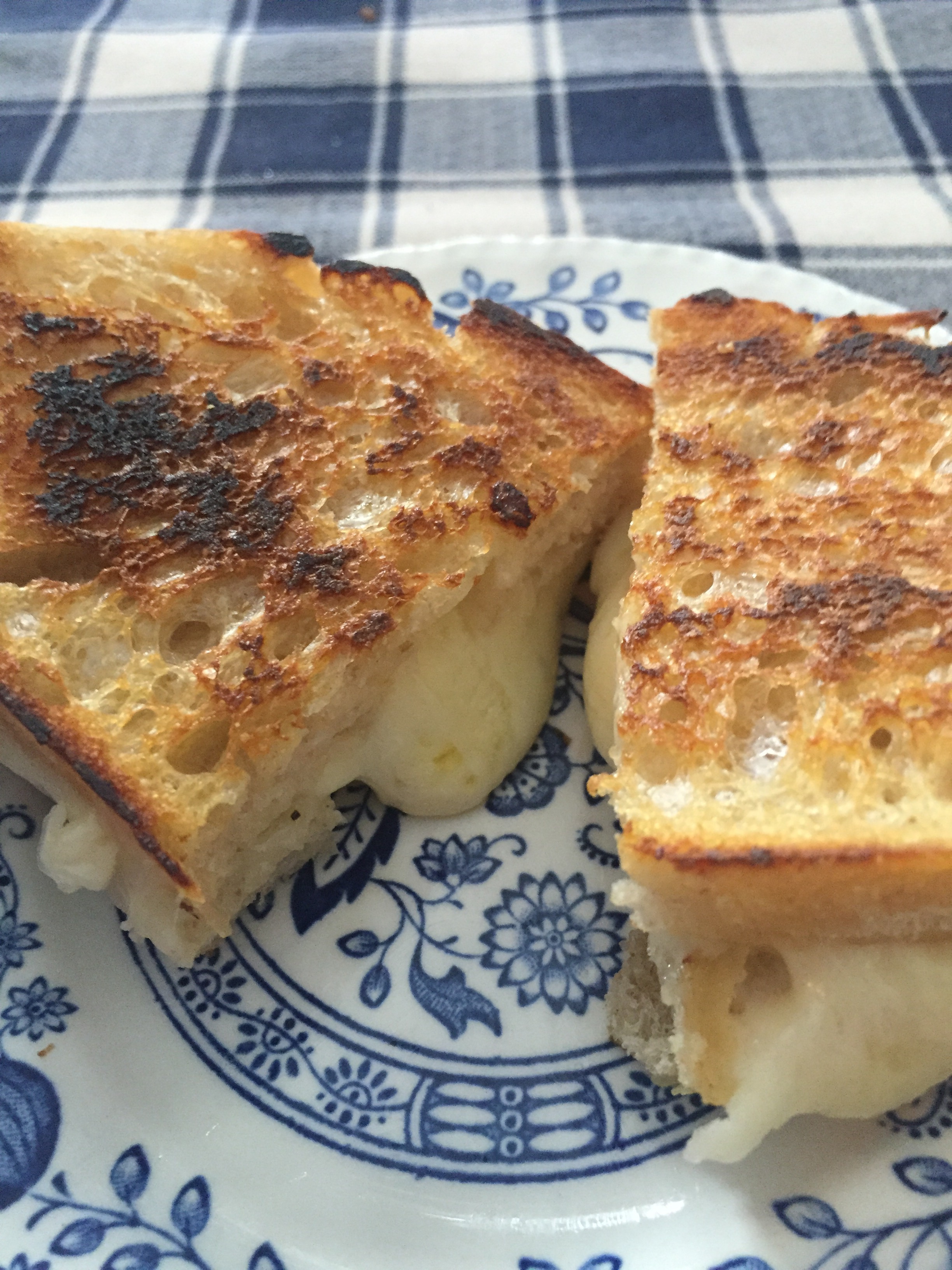
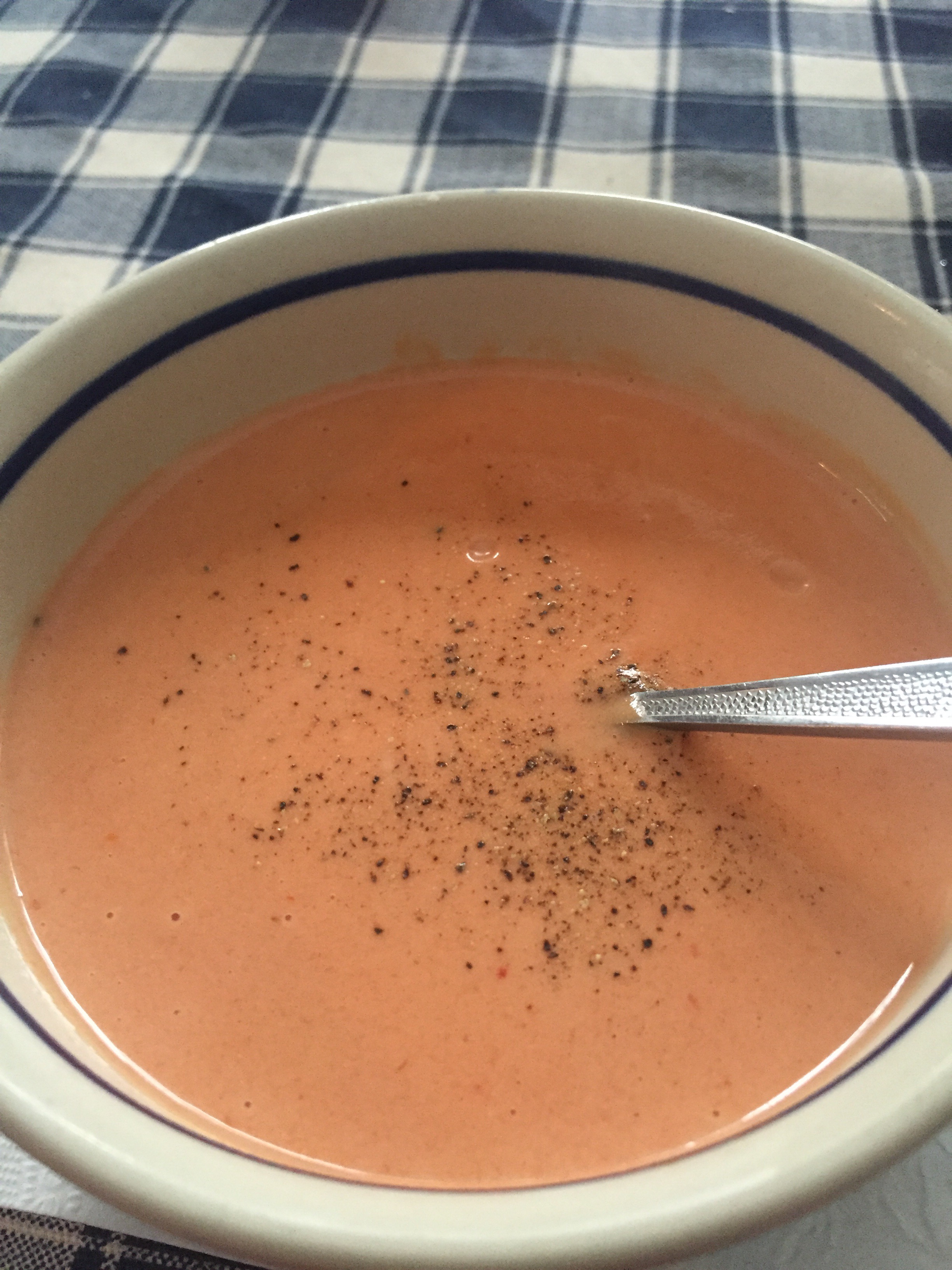
When the temps dipped well below zero last weekend, I treated myself to an old standard lunch from my childhood: Grilled cheese with tomato soup. My adult version of the sandwich has evolved from white bread and pre sliced, processed American cheese to something more decadent. I bought a nice, crusty loaf from the store bakery and sliced it a little thicker than usual. I choose a combination of American, Muenster and Provolone for the filing. It was amazing. The soup, of course, was straight out of the Campbell’s can and probably had three day’s worth of sodium. But there’s just no substitute. It was still freezing outside, but I cared much less and felt warm inside for the rest of that particular afternoon.


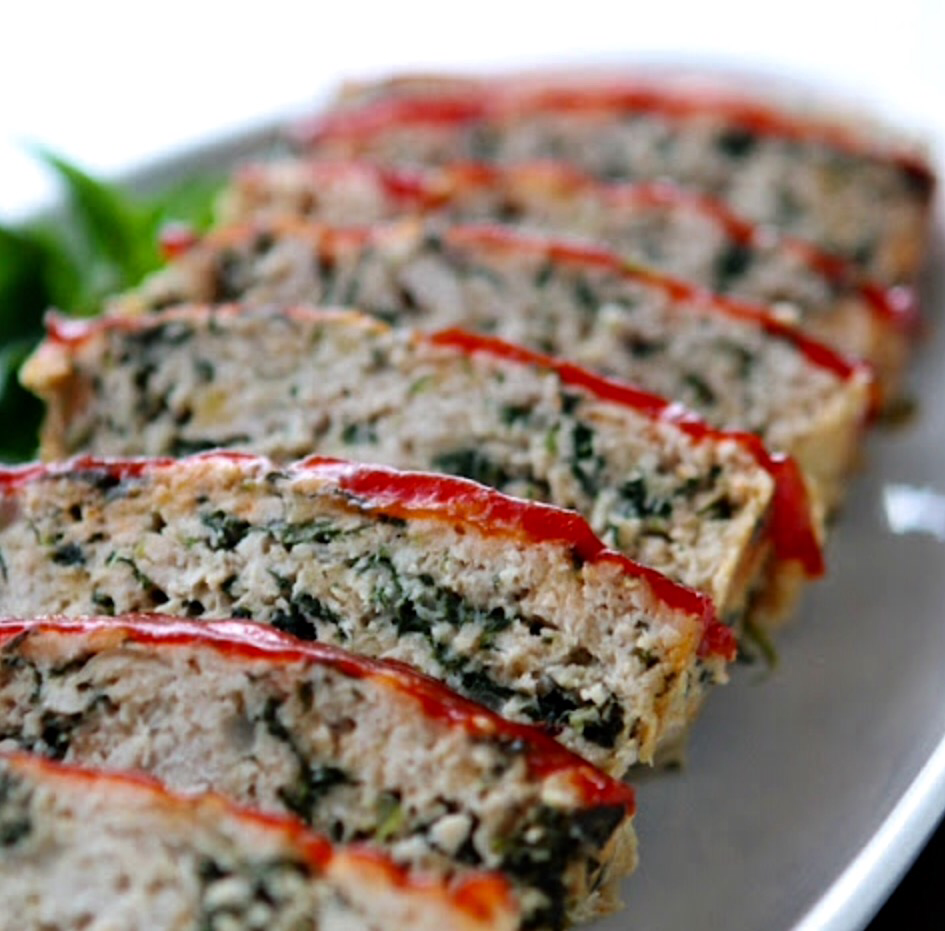
Another classic comfort food is meatloaf. Two friends were describing their’s last night, during intermission at a show. So, now it’s on my menu for the coming week. But it’s not my mother’s meatloaf. For starters, I use lean ground turkey. When my kids were small, I tried hiding spinach in my meatloaf and they actually liked it. There was no recipe – I was just winging it. I seem to recall adding mozzarella, too, and Quaker Oats. So, I searched Google and Pinterest this morning. There are multiple recipes out there with these ingredients! Most call for stuffing or rolling the meatloaf around the spinach filling, which looks really pretty when you slice it. But I used to just mix it right in, since I was trying to hide it. Here’s a very simple one that is similar to mine. I think you could substitute the breadcrumbs with the oats, or maybe a mix of both.

Turkey Meatloaf Florentine


  • 1 ½ pounds ground turkey
  • 1 10 ounce package of frozen spinach, thawed and drained
  • 1 ½ cups Italian seasoned breadcrumbs
  • 2 cups shredded mozzarella, divided
  • 2 eggs (or egg substitute), slightly beaten
  • 1/4 cup ketchup (optional)
  1. Preheat the oven to 350
  2. Mix all of the ingredients, reserving ½ cup of the cheese and the ketchup, if using
  3. Spray a loaf pan with cooking spray 
  4. Shape the meat into a loaf and place it in the pan
  5. Bake for about one hour
  6. Sprinkle with the ketchup and/or remaining cheese, slice and serve


Feed the Birds

Winter Robin

I’ve been watching and feeding wild birds for 26 years. There’s something about looking out the window on the coldest and bleakest of winter days to see the colorful antics of a nuthatch or cardinal! It keeps me connected to nature when it’s too cold to spend time outdoors. Caring for my feathered friends feels like giving back – I’m pulling my weight in my relationship with Mother Nature. 

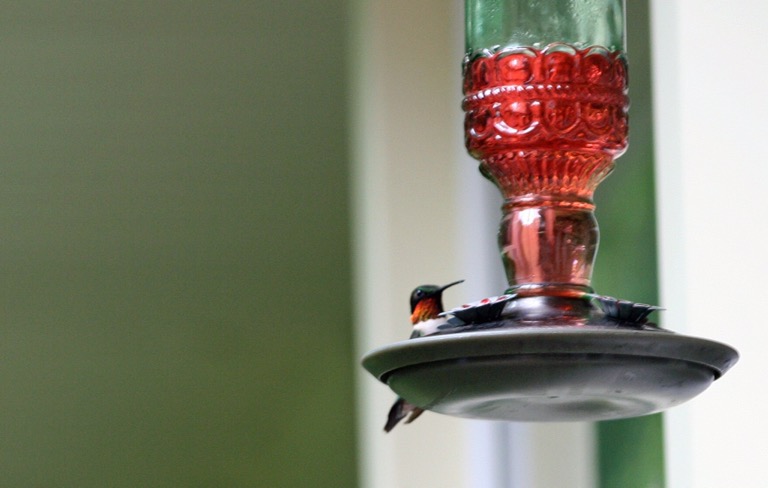
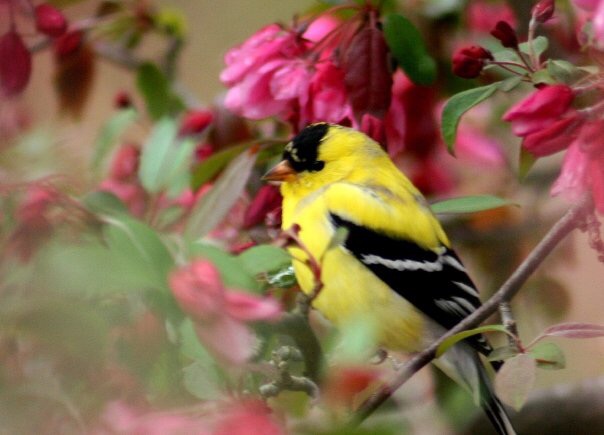
Mostly, I provide seed and suet during the coldest part of the year and continue thru migration and nesting season. Once summer arrives, I switch to nectar for hummingbirds and thistle for the goldfinches, who nest later than other birds. I keep the nectar available in September, when the hummers migrate and put on quite a show.

Ruby Throated Hummindbird

My yard is a sanctuary that is welcoming to the birds. There are all kinds of habitats available, from thickets and berries to towering oaks and pines. There are flowering bushes and low shrubs that provide feeding places for ground dwelling birds. They would probably fare well without the feeders. But I like the opportunity to observe them up close as they establish their pecking order (no pun intended) and display their unique behaviors and personalities. 

In springtime, I take my morning coffee (and my binoculars) outside to listen to the beautiful music they offer. I cheer them on as they build nests under the eaves and in the tree outside my bathroom window. My neighbors must think me odd when they catch me loudly shooing away a squirrel or blue jay who threatens eggs or babies. Later, I mourn the loss of my ‘outdoor pets,’ when summer’s first light is quiet again and the nests are empty. Such is the cycle of life.

Grey Catbird

I once read of an extensive study that documented a long list of therapeutic benefits to seniors who enjoyed bird feeders at an assisted living program. But I believe those same advantages and rewards are good for all ages. Just the act of caring for something living fills a void we might not realize exists within us. 

Birds bring endowments of their own to your backyard. Along with the seed you provide, they feast on a wide variety of insects and other pests in your garden and lawn. They pollinate your flowers and eat the seeds from some of the less desirable, invasive flowers and weeds. Look at it like a natural approach to landscaping – and save on the toxic chemicals!

Every year, we put our used Christmas tree outside and decorate it with homemade feeders. We spread peanut butter on pine cones and then roll them in birdseed. The birds love it and we get to enjoy our tree for another month or more!


Next time you’re at the store, check out the bird seed. Consider hanging an inexpensive feeder where you can see it and watch the magic happen! Put a little life into the frozen tundra outside your window and you’ll be rewarded – over and over again!

Rachel Carson said “There is symbolic as well as actual beauty in the migration of birds…There is something infinitely healing in the repeated refrains of nature – the assurance that dawn comes after night, and spring after the winter.”
 

Goldfinch
  
Cardinal
 

Anxiety


Chances are, you know someone who suffers from an Anxiety Disorder. There are millions of Americans who endure some type of Anxiety, whether a specific phobia, panic attacks or generalized anxiety. For those who do not, it can be extremely difficult to understand. The very broad nature of Anxiety makes it impossible to encapsulate and explain. As a result, there is a great deal of misinformation available regarding diagnosis and treatment. But it’s important that we try to comprehend it. The odds are very high that our ideas about Anxiety are false and, therefore, counterintuitive when someone we care about experiences it.

Suppose you run out to the mailbox and return to discover that you’re locked out of the house. You might be angry with yourself for being so stupid and think, “This is going to screw up the rest of my day.” Then, you’d likely move on to problem solving. You’d remember that a cellar window is unlocked or contact a family member who has an extra house key. But, if you suffer from Anxiety, your thought process might look like this: “Oh my God! I can’t get in the house. What if there’s a fire and I lose everything and my cats die a horrible death and my family never forgives me and I’m alone, homeless with no clothes or food?” It’s pretty hard to problem solve when you’ve just lost everything in the world that is important to you, in a split second. 

There are things I‘ve learned about Anxiety. 

  • It’s not about being nervous about a specific event or a general lack of confidence. Rather, it’s a debilitating, pervasive illness with physical symptoms as well as emotional. 
  • It’s not a fleeting mood that one can ‘snap out of’ or from which they can be cheered up. It’s the way the circuits in their brain regulate emotions – like fear – and it’s different from your brain and mine.
  • Someone suffering from Anxiety realizes that their feelings and behavior are irrational. But they do not know why and they cannot explain it. So, don’t ask. And don’t point out that they are over reacting. You’ll only make them feel more inadequate than they already do, if that’s possible. 
  • Anxiety is a medical condition and a mental illness. We don’t know what causes it. Anxiety Disorder cannot be prevented. While it might be triggered by a significant or traumatic event, it’s victim was predisposed by brain chemistry and/or family history.
  • Anxiety is exhausting. Hypervigilance and excessive worry require a great deal of energy. Coupled with even the normal demands and expectations of a social event, it can be overwhelming. Anxiety sufferers might seem to be isolating themselves because they just. can’t. do it.

Treatment is widely available and successful. However, it’s estimated that a third of people with Anxiety never seek help. I think the misconceptions about Anxiety are to blame, at least in part. If you’re constantly being told that it’s something you can control (Just calm down!), treatment isn’t even an option. While there are some simple things that can help, like dietary changes, meditation and exercise, most Anxiety requires long term psychotherapy and, often, medication. Then, there’s the stigma attached to either of these. It’s no surprise that so many choose to suffer silently. 

Anxiety can be managed. The complex nature and disparity of diagnosis among people with distinct strengths and weaknesses make treatment challenging. Anxiety is not a straight line, but a flexible and fluid continuum. It affects 40 million adult Americans – roughly 18 percent of the population, making it the most common mental illness. Yet it’s often the most misunderstood.


If you are experiencing Anxiety, talk to someone who can help. Talk to those closest to you about what you need from them. 

If someone you care about suffers from Anxiety, think about how you can best help. It requires a lot of patience and a willingness to change the way you feel about Anxiety. Start by acknowledging that it’s an illness that cannot be prevented or cured. Begin with acceptance and go from there.